South Africa has rejected claims that a new wave of xenophobic attacks is sweeping the country, accusing some social media users of spreading “fake videos and images” to damage its international reputation.
The government’s response comes amid rising diplomatic concern across Africa over growing anti-immigration protests in several South African cities.
Speaking after a cabinet meeting, Khumbudzo Ntshavheni said some of the footage circulating online was misleading and aimed at portraying South Africa as hostile to foreign nationals.
“The fake videos and images are intended to undermine the good reputation of South Africa internationally,” she said.
The controversy follows the spread of viral clips appearing to show vigilante-style groups confronting suspected undocumented migrants. In one widely shared video, a man believed to be Ghanaian was reportedly told to “go and fix his country”.
The images have fuelled alarm in several African nations. Ghana has formally written to the African Union requesting discussions on what it described as a growing threat to the safety of Africans living in South Africa.
Nigeria has also raised concerns and offered to repatriate its citizens if necessary, while Kenya, Malawi, Lesotho and Zimbabwe have advised their nationals in South Africa to remain cautious.
In response to Ghana’s concerns, South African officials insisted the country “has nothing to hide” and denied that organised xenophobic attacks were taking place.
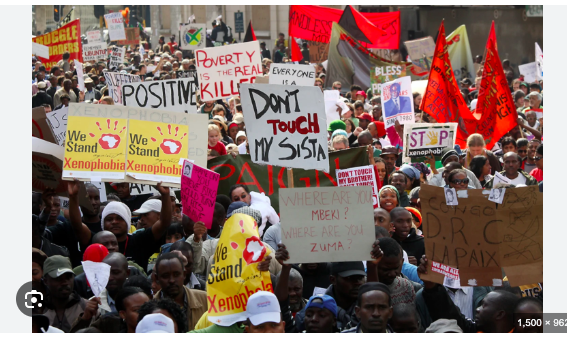
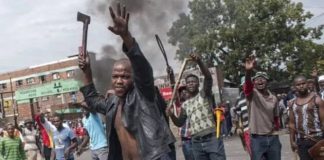
Recent demonstrations against illegal immigration have drawn thousands of protesters demanding stricter border controls and the deportation of undocumented migrants. Protesters argue that illegal immigration is contributing to unemployment, housing shortages and crime.
While acknowledging public frustration over immigration, Ntshavheni said South Africans had a constitutional right to protest, but warned that any violence or intimidation would not be tolerated.
Xenophobic violence has erupted periodically in South Africa over the years, sometimes resulting in deaths, looting and attacks on foreign-owned businesses. However, authorities say the current protests have largely remained peaceful, with no official reports of widespread attacks on migrants.
Cyril Ramaphosa has also moved to calm tensions, saying South Africa remains a welcoming nation and rejecting attempts to label its people as xenophobic.
Government officials maintain that crimes affecting foreign nationals are linked to broader criminality rather than targeted anti-foreigner violence.
South Africa has rejected claims that a new wave of xenophobic attacks is sweeping the country, accusing some social media users of spreading “fake videos and images” to damage its international reputation.
The government’s response comes amid rising diplomatic concern across Africa over growing anti-immigration protests in several South African cities.
Speaking after a cabinet meeting, Khumbudzo Ntshavheni said some of the footage circulating online was misleading and aimed at portraying South Africa as hostile to foreign nationals.
“The fake videos and images are intended to undermine the good reputation of South Africa internationally,” she said.
The controversy follows the spread of viral clips appearing to show vigilante-style groups confronting suspected undocumented migrants. In one widely shared video, a man believed to be Ghanaian was reportedly told to “go and fix his country”.
The images have fuelled alarm in several African nations. Ghana has formally written to the African Union requesting discussions on what it described as a growing threat to the safety of Africans living in South Africa.
Nigeria has also raised concerns and offered to repatriate its citizens if necessary, while Kenya, Malawi, Lesotho and Zimbabwe have advised their nationals in South Africa to remain cautious.
In response to Ghana’s concerns, South African officials insisted the country “has nothing to hide” and denied that organised xenophobic attacks were taking place.
Recent demonstrations against illegal immigration have drawn thousands of protesters demanding stricter border controls and the deportation of undocumented migrants. Protesters argue that illegal immigration is contributing to unemployment, housing shortages and crime.
While acknowledging public frustration over immigration, Ntshavheni said South Africans had a constitutional right to protest, but warned that any violence or intimidation would not be tolerated.
Xenophobic violence has erupted periodically in South Africa over the years, sometimes resulting in deaths, looting and attacks on foreign-owned businesses. However, authorities say the current protests have largely remained peaceful, with no official reports of widespread attacks on migrants.
Cyril Ramaphosa has also moved to calm tensions, saying South Africa remains a welcoming nation and rejecting attempts to label its people as xenophobic.
Government officials maintain that crimes affecting foreign nationals are linked to broader criminality rather than targeted anti-foreigner violence.