

/
RSS Feed
At Kihara Level 4 Hospital, just outside Nairobi, the labor ward resembles a ghost town. Rows of empty beds outnumber the few occupied ones, highlighting a stark reality: the absence of doctors. A nurse confirms the hospital’s inability to admit women in need of Caesarean sections due to the striking doctors.
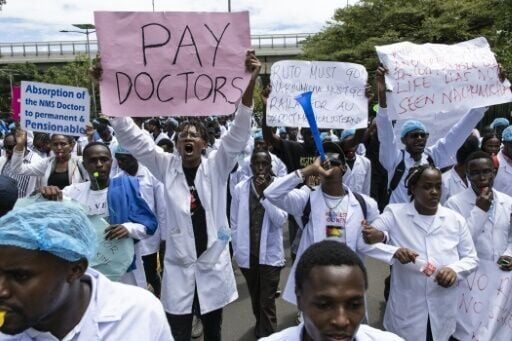
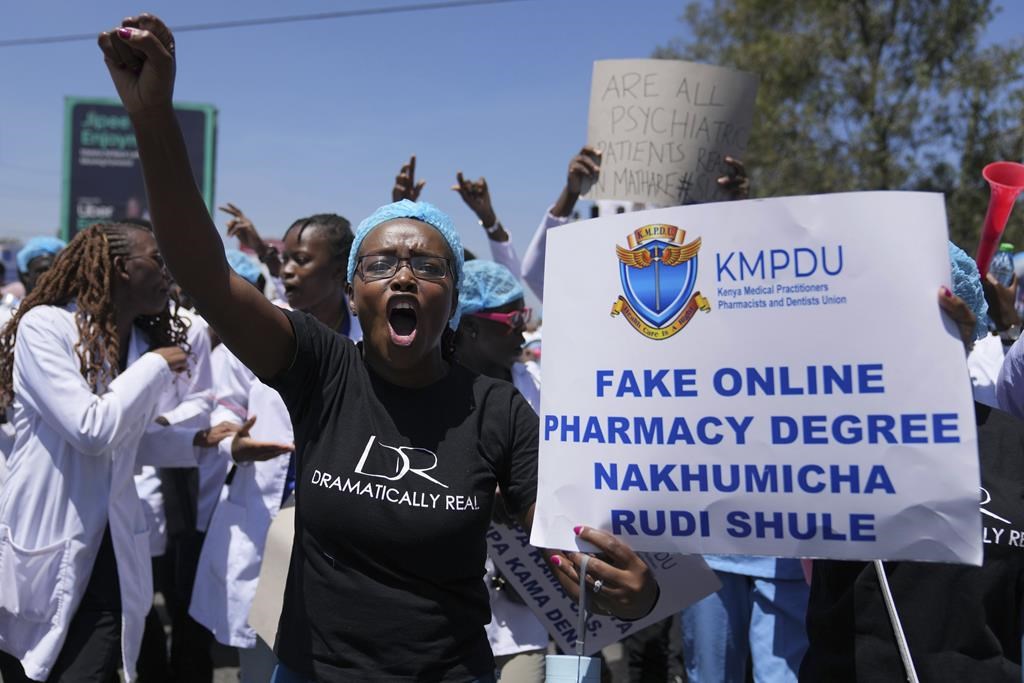
Across Kenya, public hospitals echo this emptiness, their usual hustle replaced by an eerie silence. The ongoing strike, now in its month-long duration, has left patients grappling with limited options: expensive private hospitals or delayed treatments leading to exacerbated chronic conditions and, tragically, loss of lives.
The grievances of the striking doctors are multifaceted, encompassing concerns over salaries, the recruitment freeze on trainee doctors, and inadequate working conditions. Davji Bhimji, the secretary-general of the doctors’ union, underscores the necessity of their industrial action to ensure quality healthcare for the public in the long term.
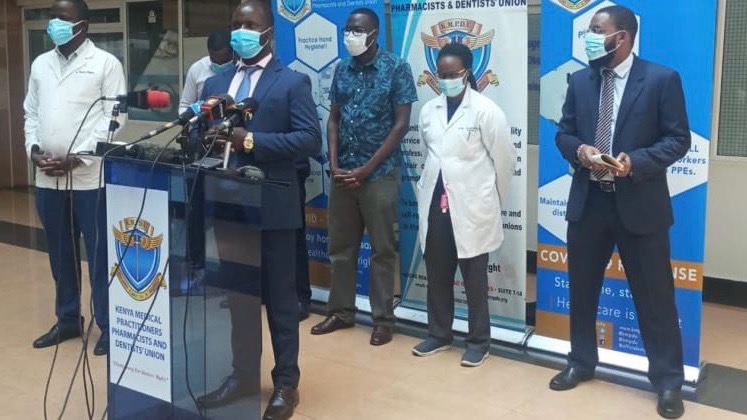
President William Ruto urges the doctors to return to work, emphasizing fiscal responsibility. However, the dire consequences of the strike are palpable. Heartbreaking stories emerge, such as that of a woman who lost her unborn child due to the unavailability of medical care during labor.
Amidst the turmoil, individuals like Lucy Bright Mbugua endure the anguish of watching their loved ones suffer in under-resourced hospitals. With her 10-month-old baby receiving sporadic care at Kenyatta National Hospital, Lucy’s family navigates financial strain and emotional distress.
In communities like Kibera, faith intersects with desperation as prayers substitute for medical interventions. Yet, hope dwindles as clinical officers, vital for outpatient care, join the strike, further exacerbating the healthcare crisis.