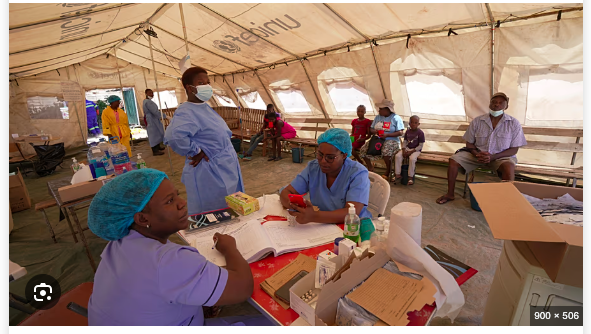
Zimbabwe has turned down a proposed $367m (£272m) health funding agreement with the United States, citing concerns over sovereignty and the handling of sensitive biological data.
Details of the decision emerged after a government memo from December was leaked, indicating that President Emmerson Mnangagwa considered the deal “lopsided”. The funding, spread over five years, would have supported programmes targeting HIV/Aids, tuberculosis, malaria, maternal and child health, and disease outbreak preparedness.
According to Zimbabwean authorities, Washington required long-term access to biological samples and health data for research purposes, without guaranteeing that Zimbabwe would benefit from any resulting vaccines, diagnostics or treatments.
Government spokesperson Nick Mangwana described the arrangement as “asymmetrical”, arguing that Zimbabwe would be supplying valuable scientific data without firm assurances that any medical breakthroughs would be made accessible to its population during future health crises.
In response, US Ambassador to Zimbabwe Pamela Tremont said the decision meant the US would begin winding down its health assistance in the country. The US embassy noted that Washington has provided more than $1.9bn in health support to Zimbabwe over the past two decades.
The proposed deal came amid a broader shift in US foreign aid policy under President Donald Trump, whose administration has scaled back funding through the US Agency for International Development and moved toward direct government-to-government agreements. The US says 16 African countries have signed similar health pacts worth more than $18bn.
Zimbabwean officials also pointed to concerns about changes in global health governance, referencing Washington’s withdrawal from the World Health Organization and its move away from multilateral frameworks designed to ensure equitable benefit-sharing during pandemics.
Despite rejecting the deal, Harare stressed that the move should not be interpreted as hostility toward the US and expressed willingness to continue discussions.
The Zimbabwe College of Public Health Physicians urged both sides to remain engaged, noting that the country’s HIV response relies heavily on external funding and that technical concerns over data governance could potentially be resolved through further negotiations.