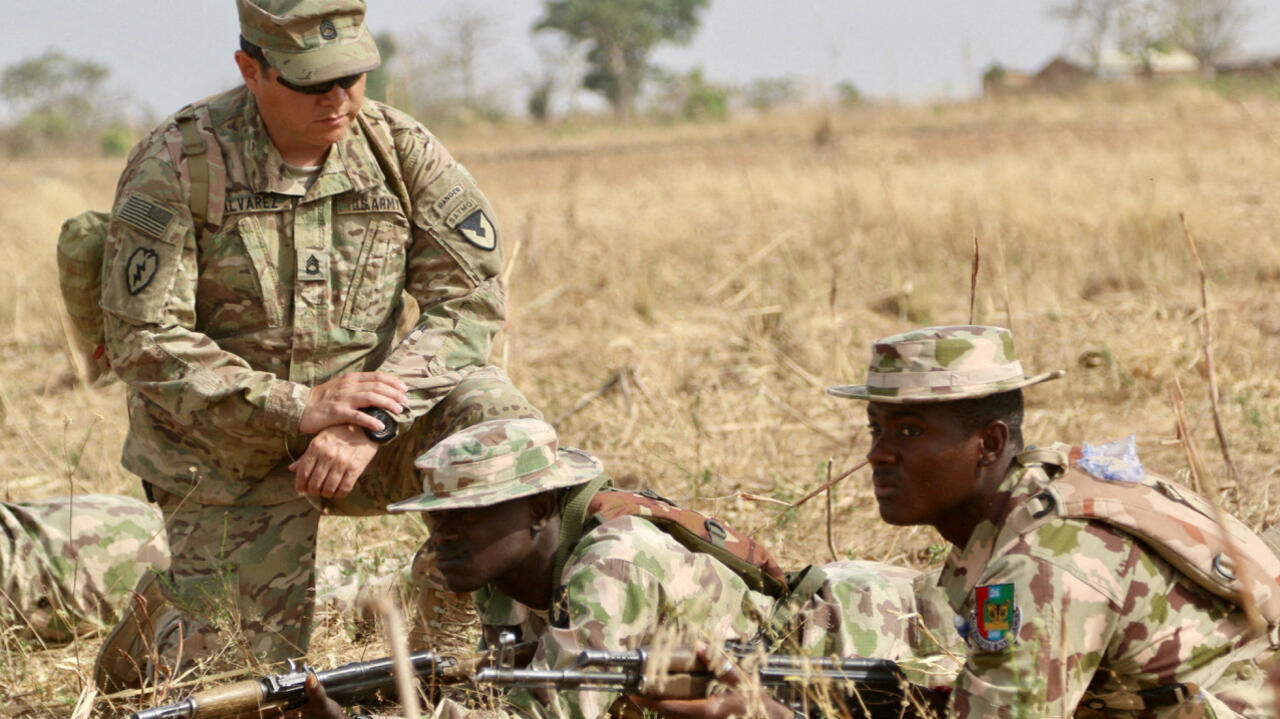
About 100 US troops have arrived in Nigeria to train the country’s armed forces and provide intelligence support as it confronts mounting security threats from Islamist militants and other armed groups.
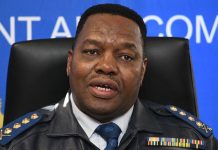
The soldiers and their equipment landed at an airfield in Bauchi state in north-eastern Nigeria, defence spokesperson Major General Samaila Uba said. He stressed that the US personnel would not take part in combat operations and were deployed at the request of the Nigerian government.
“The collaboration will provide access to specialised technical capabilities aimed at strengthening Nigeria’s ability to deter terrorist threats and enhance the protection of vulnerable communities,” Maj Gen Uba said in a statement.
The deployment follows talks between Nigerian and US defence officials during a recent working group meeting, he added.
It marks the latest step in growing military cooperation between Abuja and Washington. On 25 December, US airstrikes targeted two camps belonging to an Islamist militant group in north-western Nigeria. The Nigerian government said the strikes, which hit the group known as Lakurawa in Sokoto state, were approved by President Bola Tinubu.
Nigeria faces a complex web of security challenges, including a long-running Islamist insurgency in the north-east led by Boko Haram and its splinter faction, Islamic State West Africa Province (ISWAP). In addition, heavily armed criminal gangs — locally known as “bandits” — carry out mass kidnappings for ransom, while separatist violence and clashes between farming and herding communities continue to destabilise parts of the country.
Earlier this month, US Africa Command confirmed that a small team of American forces was already operating in Nigeria. Nigerian officials had previously indicated that up to 200 additional US personnel could be deployed.
Late last year, the administration of US President Donald Trump voiced concern about violence affecting Christian communities in Nigeria and urged the government to strengthen protections. Trump had previously alleged that a “Christian genocide” was under way — a claim firmly rejected by Nigeria’s authorities, who maintain that victims of violence include Muslims, Christians and people of other faiths.
Nigeria, Africa’s most populous country, is home to more than 250 ethnic groups. It is broadly divided between a mainly Muslim north and a largely Christian south, with significant religious and ethnic mixing in the central region.