The United Nations General Assembly has voted to recognise the transatlantic slave trade as “the gravest crime against humanity,” in a landmark resolution supporters say could advance global efforts toward justice and reconciliation.
The motion, proposed by Ghana, was adopted with 123 votes in favour, while United States, Israel and Argentina voted against. Fifty-two countries abstained, including the United Kingdom and members of the European Union.
The resolution urges member states to acknowledge the historical injustice of slavery, consider formal apologies, and support initiatives such as reparations funds, educational programmes and skills development. While it does not set a specific financial framework, it reflects growing international momentum around the issue of reparatory justice.
Speaking ahead of the vote, Ghana’s foreign minister Samuel Okudzeto Ablakwa said the push for reparations is about justice rather than personal gain. “We want justice for the victims,” he said, stressing the need for long-term support systems that address the enduring legacy of slavery.
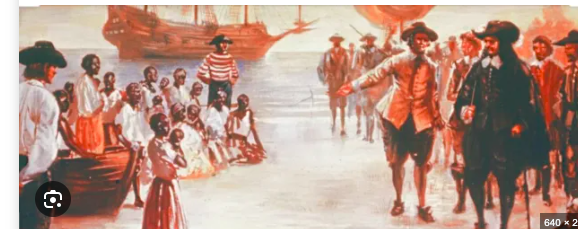
Between the 16th and 19th centuries, an estimated 12 to 15 million Africans were forcibly taken to the Americas, with millions dying during the brutal transatlantic journey. Advocates argue that the consequences of slavery continue to shape global inequalities today.
Backed by the African Union and the Caribbean Community, the resolution highlights how the legacy of slavery still affects people of African descent worldwide through systemic racism and economic disparities.
Ghana, once a major hub in the slave trade, has been at the forefront of calls for reparations. The country is also pushing for the return of cultural artefacts taken during the colonial era, arguing they are vital to restoring heritage and identity.
Addressing the UN, Ghana’s president John Dramani Mahama described the resolution as “historic” and a necessary step to ensure that the atrocities of slavery are neither forgotten nor erased.