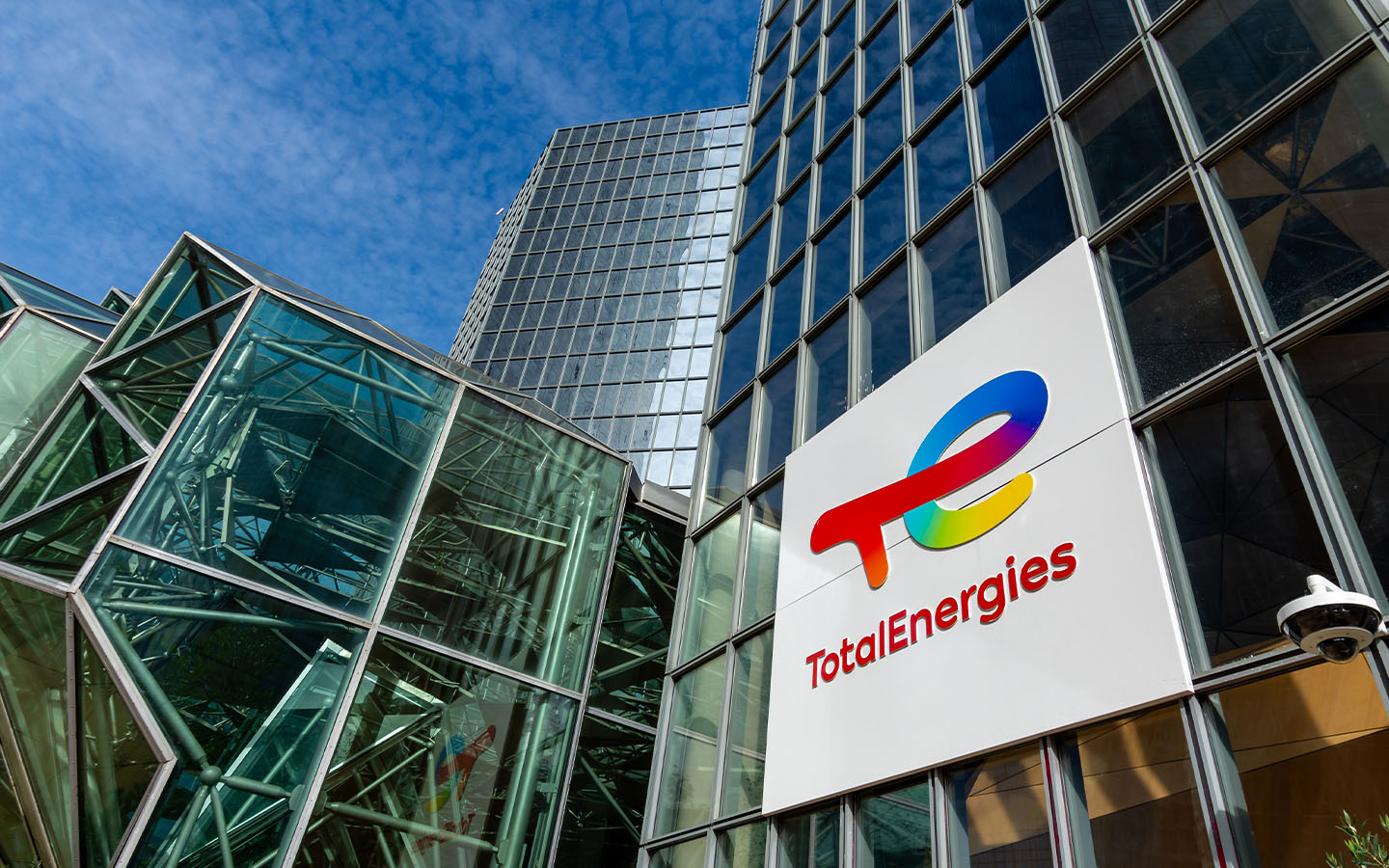
Five years after suspending operations following a devastating jihadist attack, French energy giant TotalEnergies is preparing to relaunch its flagship liquefied natural gas (LNG) project in northern Mozambique.
The company declared force majeure in 2021 after militants overran parts of Cabo Delgado province, killing about 800 people and forcing thousands to flee. TotalEnergies is now seeking compensation of $4.5 billion from the Mozambican government to cover cost overruns linked to the prolonged shutdown.
Despite the setback, the LNG project is expected to generate thousands of jobs. Touted as the largest private investment in Africa’s energy infrastructure, it currently employs around 4,000 workers, about 80 per cent of whom are Mozambican nationals.
Other international energy firms, including Italy’s ENI and US-based ExxonMobil, also operate major gas projects in the region, prompting analysts to predict that Mozambique could eventually rank among the world’s top ten natural gas producers.
The revival of the project, however, has drawn sharp criticism. Environmental groups have branded the estimated $20 billion development a “climate bomb,” arguing it will deliver limited benefits to ordinary Mozambicans, more than 80 per cent of whom live below the poverty line.
TotalEnergies is also seeking a 10-year extension to its concession—more than twice the length of the delay caused by the insurgency. It remains unclear whether the government in Maputo will approve the request.
Security concerns remain
Northern Mozambique has been gripped by a violent jihadist insurgency since late 2017. While there has been no attack on the scale of the 2021 assault, sporadic violence against civilians and security forces continues.
In March 2021, militants stormed the port town of Palma, just kilometres from the TotalEnergies site, forcing thousands of residents to flee into surrounding forests. Conflict monitoring group ACLED estimates that more than 800 people were killed in the attack.
Since the insurgency began, more than 6,200 people have been killed, according to ACLED. The violence has been attributed to a locally known group referred to as “Al-Shabaab”—despite no established link to the Somali-based organisation—which seeks to impose Sharia law in Cabo Delgado, a long-marginalised region now plagued by instability.