The United Nations General Assembly has overwhelmingly passed a resolution recognizing the transatlantic slave trade as one of the gravest crimes against humanity, marking a significant symbolic step in a long-running global conversation.
UN Secretary-General António Guterres welcomed the decision, emphasizing that the prosperity of many Western nations was built on the exploitation of enslaved people. He described the system not simply as forced labour, but as a brutal framework designed to dehumanize millions through violence, oppression, and systemic abuse. The lasting scars of this history, he noted, continue to shape societies today.
Although the resolution is not legally binding, it carries strong political and moral weight. Backed primarily by African and Caribbean nations, it passed with 123 votes in favor, while a small number of countries opposed it and dozens abstained.
Experts say the move could strengthen ongoing discussions around reparations—efforts to acknowledge and compensate for the enduring impacts of slavery. For many descendants of enslaved people, the vote represents recognition and validation of historical suffering that has often been overlooked.
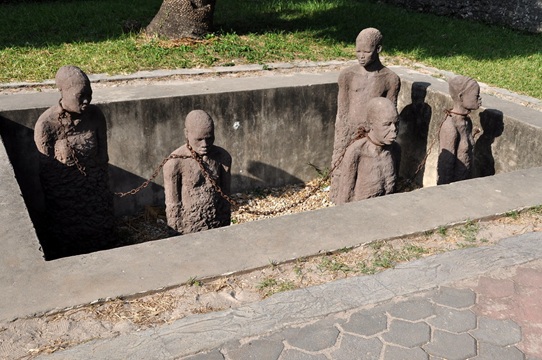
Between the 15th and 19th centuries, millions of Africans were forcibly taken to the Americas under the transatlantic slave trade. Many died during the journey, while those who survived endured generations of exploitation. Today, the legacy of that system remains visible in persistent racial inequalities across the world.
Supporters of reparations argue that addressing these inequalities requires more than acknowledgment—it calls for tangible action, whether through financial compensation, public apologies, or investments in education and communities affected by slavery’s legacy.
However, the issue remains highly contested. Critics question whether present-day governments should be held accountable for historical crimes, and point to the complexity of determining who should receive compensation. Others argue that legal and financial challenges make large-scale reparations impractical.
Despite these disagreements, the UN resolution is seen as an important milestone. While it cannot compel nations to act, it adds momentum to a growing global movement seeking justice, recognition, and a deeper understanding of slavery’s long-term consequences.
Many advocates stress that reparations are not only about money. Education, public acknowledgment, and honest engagement with history are also key components of what they describe as a broader process of healing and accountability.
As the debate continues, one thing is clear: the legacy of the transatlantic slave trade is far from settled, and the push to address its impacts is gaining renewed international attention.