The rolling green hills of KwaZulu-Natal appear calm and picturesque, but beneath the surface farmers are grappling with deep anxiety.
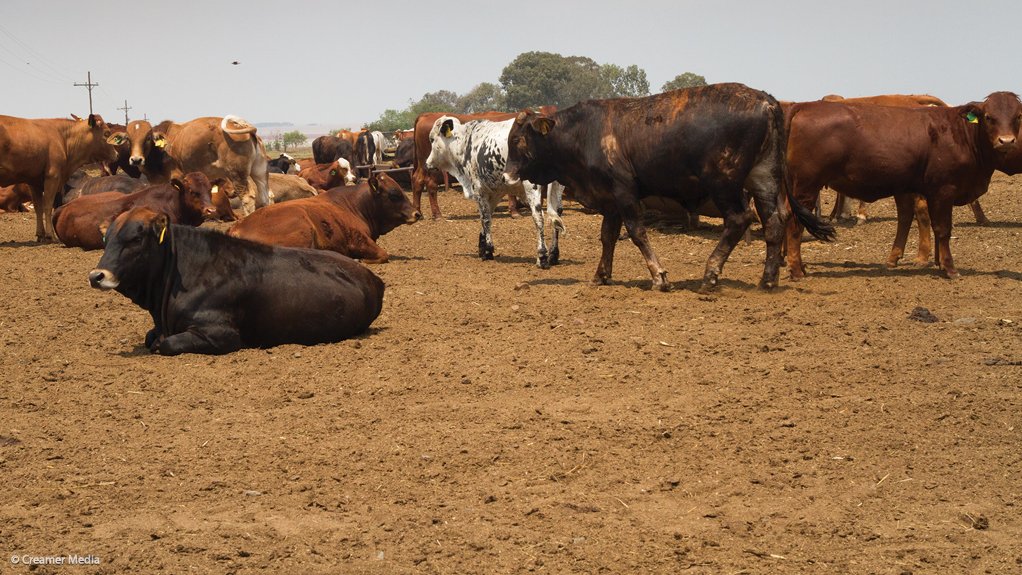
The province has become the epicentre of a fast-spreading foot-and-mouth disease outbreak that, over the past year, has reached eight of South Africa’s nine provinces. The highly contagious virus has devastated herds, with thousands of cattle culled in a bid to contain its spread.
Farmers fear the crisis could wipe out their livelihoods, especially as some countries suspend imports of South African meat and livestock products. While agriculture makes up a relatively small share of the national economy, it is a crucial employer in rural communities and a key source of foreign exchange.
Foot-and-mouth disease spreads through direct animal contact or contaminated feed and water. It causes painful blisters in the mouth and on the hooves of cattle, sheep and goats, leading to lameness, reduced milk production and, in some cases, death among young animals. The virus poses no risk to humans.
The outbreak has now been declared a national disaster by President Cyril Ramaphosa, enabling the government to release emergency funds and fast-track vaccine procurement.
KwaZulu-Natal, the heartland of South Africa’s dairy industry, has been particularly hard hit. Along the Mooi River, farms dot the lush landscape, where biosecurity measures — including disinfectant checkpoints and restrictions on cattle movement — have failed to fully stem infections.
Carol Houston, who runs a large commercial dairy farm with her husband, said her 2,200-strong herd was infected last month despite strict precautions.
“We did everything possible to keep the disease out,” she said, adding that they spent about $380 per cow on treatment. Within days of the outbreak, milk production plunged from 14,000 litres a day to 9,000 as infected cows struggled to eat and produce milk. Output remained depressed for two weeks before the herd recovered.
Now, every cow lining up for milking is carefully checked for symptoms.
Many farmers blame the government for failing to contain the outbreak earlier. Peter Griffin, a dairy farmer in the same area, described the situation as “a catastrophe that could have been avoided.”
In South Africa, foot-and-mouth is classified as a controlled animal disease, placing responsibility for managing it on the state. Agriculture Minister John Steenhuisen has faced mounting criticism but recently unveiled a 10-year plan to eradicate the disease. Immediate measures include mass vaccinations in the worst-affected regions before expanding nationwide. South Africa’s cattle herd is estimated at around 14 million.
However, vaccine delays have frustrated farmers. Supplies were expected earlier in the year but have yet to arrive in sufficient quantities. A shipment of one million doses from Argentina is due, though it will not cover the entire country.
South Africa no longer has the capacity to produce vaccines at scale, following years of underinvestment and a loss of technical expertise. Steenhuisen has pledged to restart domestic production, but scaling up will take time.
For small-scale farmers like Nompumelelo Ndlovu, who owns about 20 cattle, the stakes are existential. “If the vaccine doesn’t arrive on time, all my cattle will be at risk — and that would be the end of my business,” she said.
Industry leaders say swift and coordinated action is essential to protect both rural livelihoods and South Africa’s agricultural exports.