

/
RSS Feed
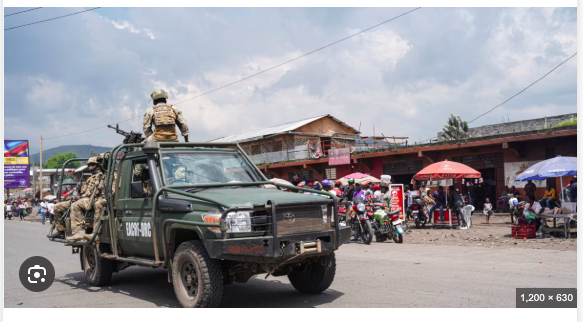
Rebel forces have pushed into Uvira, the last major city in government hands in mineral-rich eastern Democratic Republic of Congo, prompting thousands to flee across the border into Burundi, residents and local officials say.
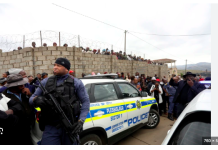
Heavy artillery fire echoed through the city on Wednesday, with terrified civilians describing a chaotic and fast-deteriorating situation. Many have taken shelter indoors as shops and schools shut down.
The advance comes less than a week after US President Donald Trump brokered a high-profile peace deal in Washington between DR Congo’s President Félix Tshisekedi and Rwanda’s Paul Kagame—an agreement now immediately under strain.
Rebels Claim Control, Kinshasa Denies Loss of City
The M23 rebel group has announced it has “liberated” Uvira, while residents interviewed by UN-backed Radio Okapi reported seeing fighters deployed across key streets.
But South Kivu Governor Jean-Jacques Purusi insisted government troops and allied Wazalendo militias still held the city, located just 27km (17 miles) from Burundi’s capital, Bujumbura, across Lake Tanganyika.
Burundi has since closed its border with DR Congo, according to a military source quoted by AFP.
One resident said that dozens of armed M23 fighters marched into the city from the north-east “without meeting any resistance”. Some locals reportedly welcomed their arrival, though others described scenes of panic.
“Three bombs have just exploded in the hills. It’s every man for himself,” one resident told AFP. Another said: “We are all under our beds in Uvira. That’s the reality.”
A local rights official warned the AP news agency of a “risk of a massacre” if remaining soldiers attempt a strong counter-attack.
Regional Fallout and Diplomatic Tensions
Burundi, which has thousands of troops deployed in eastern DR Congo, reacted angrily to the rebel advance. Foreign Minister Edouard Bizimana described the offensive as “a slap in the face… a middle finger” to Washington’s peace efforts, accusing Rwanda of sending reinforcements across the border.
On Tuesday, the US, EU, and eight European nations issued a joint statement accusing Rwanda of supporting the M23 offensive and calling for an immediate halt to fighting. Washington said Rwanda “continues to provide support to M23 and must prevent further escalation”.
Rwanda rejected the allegations, accusing the Congolese and Burundian armies of violating the ceasefire by bombing villages near its border. Kigali said those attacks forced more than 1,000 civilians to flee into Rwanda.
UN experts say Rwanda’s military maintains “de facto control of M23 operations”—a claim Rwanda denies.
Humanitarian Emergency Spreads
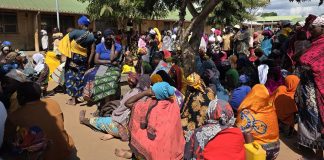
About 200,000 people have fled their homes in eastern DR Congo since the latest wave of fighting began earlier this month, the UN says. At least 74 people—mostly civilians—have been killed, and dozens more wounded.
A Burundian administrative official told AFP that more than 8,000 Congolese were crossing the border daily, with 30,000 arrivals recorded in a single week—before the frontier was shut.
Peace Deal Undermined
M23 is not part of the US-brokered agreement signed in Washington and is instead engaged in separate Qatar-led mediation. Tshisekedi accused Rwanda in a national address on Monday of pursuing “a proxy war” aimed at controlling a region rich in minerals critical to global supply chains.
Eastern DR Congo has endured nearly three decades of conflict and repeated failed peace deals since the aftermath of the 1994 Rwandan genocide. Scores of armed groups continue to fight for territory, influence, and access to lucrative mining sites.