

/
RSS Feed
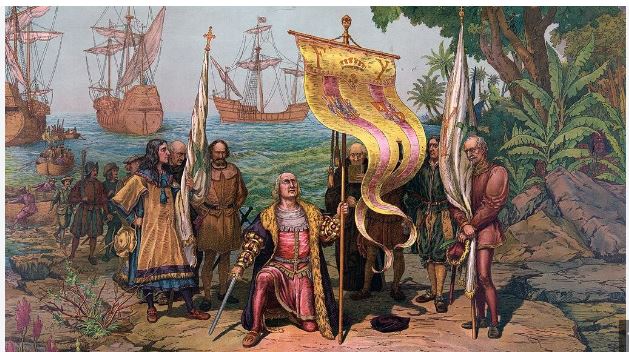
Haiti’s historical origins are deeply rooted in its indigenous Taino heritage. Prior to European colonization, the island of Hispaniola, where Haiti is located, was inhabited by the Taino people. They had a rich culture, including agriculture, fishing, and various spiritual beliefs. However, the arrival of Christopher Columbus in 1492 marked the beginning of European colonization and significantly altered the course of Haitian history.
The Spanish were the first to colonize Hispaniola, but by the early 17th century, the western part of the island came under French control, establishing the colony of Saint-Domingue. Under French rule, Saint-Domingue became one of the most lucrative colonies in the Caribbean due to its profitable sugar, coffee, and indigo plantations. This economic success was built on the brutal exploitation of African slaves who were forcibly brought to the island through the transatlantic slave trade.
The impact of the African slave trade on Haiti’s cultural heritage cannot be overstated. The enslaved Africans brought with them diverse cultural practices, languages, religions, and traditions, which greatly influenced the emerging society in Saint-Domingue. Despite the harsh conditions of slavery, the enslaved population resisted oppression through various means, including rebellions, maroon communities, and the preservation of their cultural heritage.
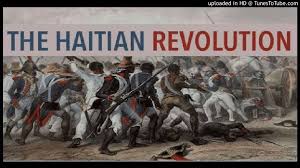
The most significant moment in Haiti’s history came with the Haitian Revolution, which began in 1791 and culminated in the country’s independence in 1804. Led by figures such as Toussaint Louverture, Jean-Jacques Dessalines, and Henri Christophe, the enslaved population rose up against their oppressors, ultimately defeating the French and establishing Haiti as the first independent Black republic in the world. This momentous event had profound implications not only for Haiti but also for the wider struggle against slavery and colonialism.
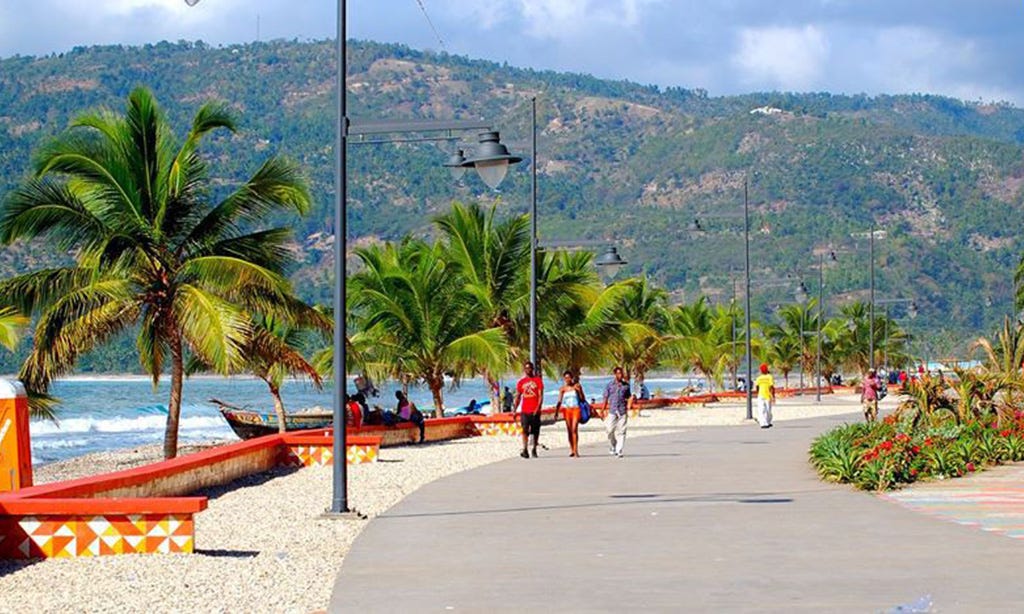
The fusion of diverse cultural elements, including African, European, and indigenous influences, continues to shape Haiti’s identity and society today. Haitian culture is characterized by its vibrant music, dance, art, cuisine, and religious practices, which reflect this rich heritage. Despite facing numerous challenges, including poverty, political instability, and natural disasters, Haiti remains resilient, and its cultural legacy continues to thrive both within the country and beyond its borders.
In summary, Haiti’s historical origins and cultural heritage are a complex tapestry woven from indigenous Taino roots, the legacy of French colonization and slavery, and the struggle for independence. This fusion of diverse influences has shaped Haiti’s identity and society, making it a unique and resilient nation in the Caribbean.
Haiti’s origins trace back to its indigenous Taino roots before European colonization. Under French rule, it became a lucrative colony built on the brutal exploitation of African slaves. The impact of the African slave trade left a profound mark on Haiti’s culture. The Haitian Revolution, leading to independence in 1804, was a pivotal moment in history. Today, Haiti’s identity is shaped by a fusion of African, European, and indigenous influences, evident in its vibrant culture despite ongoing challenges.
Haitians come from various regions of Africa due to the transatlantic slave trade, which forcibly transported millions of Africans to the Americas. The exact regions vary, but many Haitians are descended from peoples of West and Central Africa, including regions such as present-day Senegal, Guinea, Mali, Benin, Nigeria, and the Congo. The specific ethnic and cultural backgrounds of Haitians reflect the diversity of African peoples who were brought to Haiti during the period of slavery.
Certainly! Here’s an expanded section on Haitian culture:
The cultural landscape of Haiti is a vibrant tapestry woven from diverse influences, encompassing African, European, and indigenous elements. Music, dance, art, cuisine, and religious practices serve as pillars of Haitian culture, reflecting the nation’s rich heritage and resilience.
Music holds a central place in Haitian culture, serving as a vehicle for expression, storytelling, and spiritual connection. One of the most renowned musical genres is Haitian Vodou music, which blends African rhythms with indigenous and European musical elements. Traditional instruments like drums, rattles, and bamboo trumpets accompany ceremonial rituals and festivities, infusing them with energy and symbolism. Additionally, compas (kompa), a modern musical genre with roots in Haitian merengue and European ballroom dances, remains popular and has gained international recognition.
Dance is intricately intertwined with Haitian music and religious practices, showcasing a dynamic range of movements and expressions. Traditional Haitian dances, such as Yanvalou, Banda, and Nago, often accompany Vodou ceremonies, embodying spiritual narratives and ancestral connections. In urban settings, styles like konpa dance have evolved, blending traditional Haitian movements with contemporary influences, captivating audiences both at home and abroad.
Haitian art is renowned for its vibrant colors, intricate designs, and profound symbolism, reflecting the nation’s complex history and cultural identity. From vivid paintings depicting everyday life to intricate Vodou flags adorned with sacred symbols, Haitian art captures the essence of the country’s spirit and resilience. Artists like Hector Hyppolite, Philomé Obin, and Jean-Michel Basquiat have made significant contributions to the global art scene, showcasing Haiti’s creativity and ingenuity.
Cuisine is a cornerstone of Haitian culture, blending indigenous ingredients with African, French, and Caribbean influences to create a distinctive culinary tradition. Staples like rice, beans, plantains, and root vegetables form the foundation of many Haitian dishes, which are often seasoned with herbs, spices, and sauces to enhance flavor. Signature dishes such as griot (fried pork), diri ak djon djon (rice with black mushrooms), and pikliz (spicy pickled vegetables) tantalize the taste buds and reflect Haiti’s culinary diversity.
Religion plays a significant role in Haitian culture, with Vodou serving as a cornerstone of spiritual practice and cultural identity. Rooted in African traditions and syncretized with Catholicism, Vodou encompasses a complex belief system, rituals, and ceremonies that honor ancestral spirits (lwa) and divine forces. Vodou ceremonies, marked by drumming, singing, and dancing, provide a sacred space for community bonding, healing, and spiritual guidance.
In summary, Haitian culture is a dynamic mosaic of traditions, creativity, and resilience, shaped by centuries of history and the fusion of diverse influences. From music and dance to art, cuisine, and religion, Haiti’s cultural heritage reflects the soul of the nation, celebrating its rich tapestry of identities and forging connections across generations and continents.