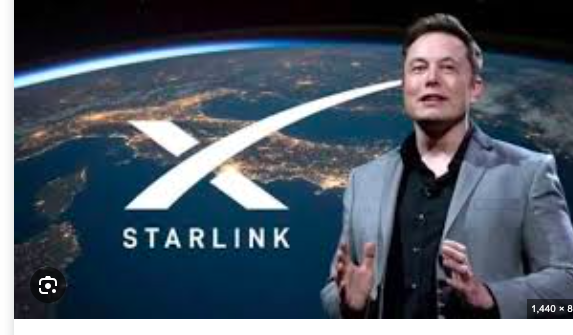
Namibia has turned down an application by Starlink, owned by Elon Musk, to operate satellite internet services in the country—marking another regulatory hurdle for the firm in southern Africa.
The decision was announced by the Communications Regulatory Authority of Namibia, which noted that Starlink’s local subsidiary did not meet Namibia’s ownership requirements. Under national law, telecommunications companies must have at least 51% local ownership.
While no detailed explanation was provided, the ruling highlights Namibia’s long-standing policy of promoting local participation in key industries—a framework introduced after independence in 1990 to address historical inequalities.
Starlink, which operates in around 25 African countries, has faced similar challenges elsewhere in the region. In South Africa, the company has also struggled to launch due to local ownership and empowerment laws.
Namibia’s regulator said the decision could still be revisited within 90 days, either on its own initiative or following an appeal.
The rejection follows earlier action taken in 2024, when authorities ordered Starlink to halt operations in Namibia, warning the public that using its services without a licence would be illegal.
Starlink says it aims to expand connectivity in remote areas through its satellite network and has previously indicated plans to partner with local companies and create jobs.
However, the latest setback underscores the tension between global tech expansion and national regulations designed to ensure local economic inclusion.