

/
RSS Feed
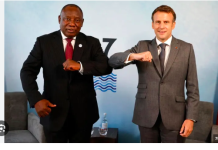
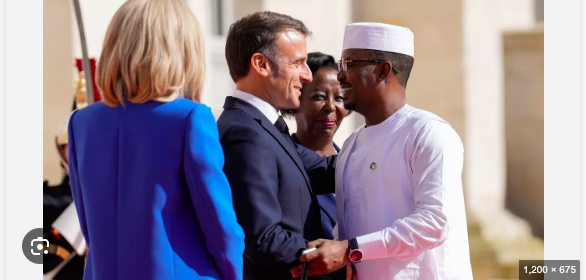
French President Emmanuel Macron has invited Chadian President Mahamat Déby to Paris, as both countries move to reset ties after a sharp deterioration in their relations.
The invitation was conveyed by France’s ambassador to Chad, Éric Gérard, during a meeting with Déby at the presidential palace in N’Djamena on Monday. Chad’s presidency said Déby accepted the invitation, though no date for the visit was announced.
The outreach comes months after Chad abruptly terminated its defence agreement with France in November 2024, prompting the withdrawal of French troops from military bases across the country. At the time, Chadian authorities said the decades-old pact with the former colonial power had become “obsolete” and no longer met the country’s security needs.
France had stationed about 1,000 troops in Chad, providing intelligence and logistical support from bases including one in the capital. N’Djamena framed the decision to end the agreement as a move to assert sovereignty and reclaim full control of its defence, more than 60 years after independence.
The split formed part of a broader decline in French military influence across the Sahel, following its forced exits from Mali, Niger and Burkina Faso after a series of coups. Chad also ordered US troops to leave months before cutting ties with France, fuelling speculation that it was turning away from Western partners and edging closer to Russia.
Déby has rejected those claims, insisting Chad does not intend to replace one foreign power with another and prefers partnerships based on mutual respect. Nonetheless, last week N’Djamena signed a memorandum of understanding with Belarus, a close Russian ally, to strengthen military cooperation.
According to Chad’s presidency, Monday’s talks with the French ambassador focused on the “renewal of bilateral cooperation”, stressing dialogue, openness and consideration of each side’s interests. Officials said Franco-Chadian relations now need to be “renewed, revitalised and adapted to the new balance of power” through consultation between the two governments.