
Ghanaian President John Dramani Mahama has called for a broader approach to reparations for the transatlantic slave trade, saying efforts to address historical injustices should go beyond direct financial compensation and include investments in education, healthcare, economic development and debt relief.
Mahama said reparatory justice should focus on addressing the lasting social and economic consequences of slavery and colonial exploitation, which continue to affect African countries and communities of African descent around the world.
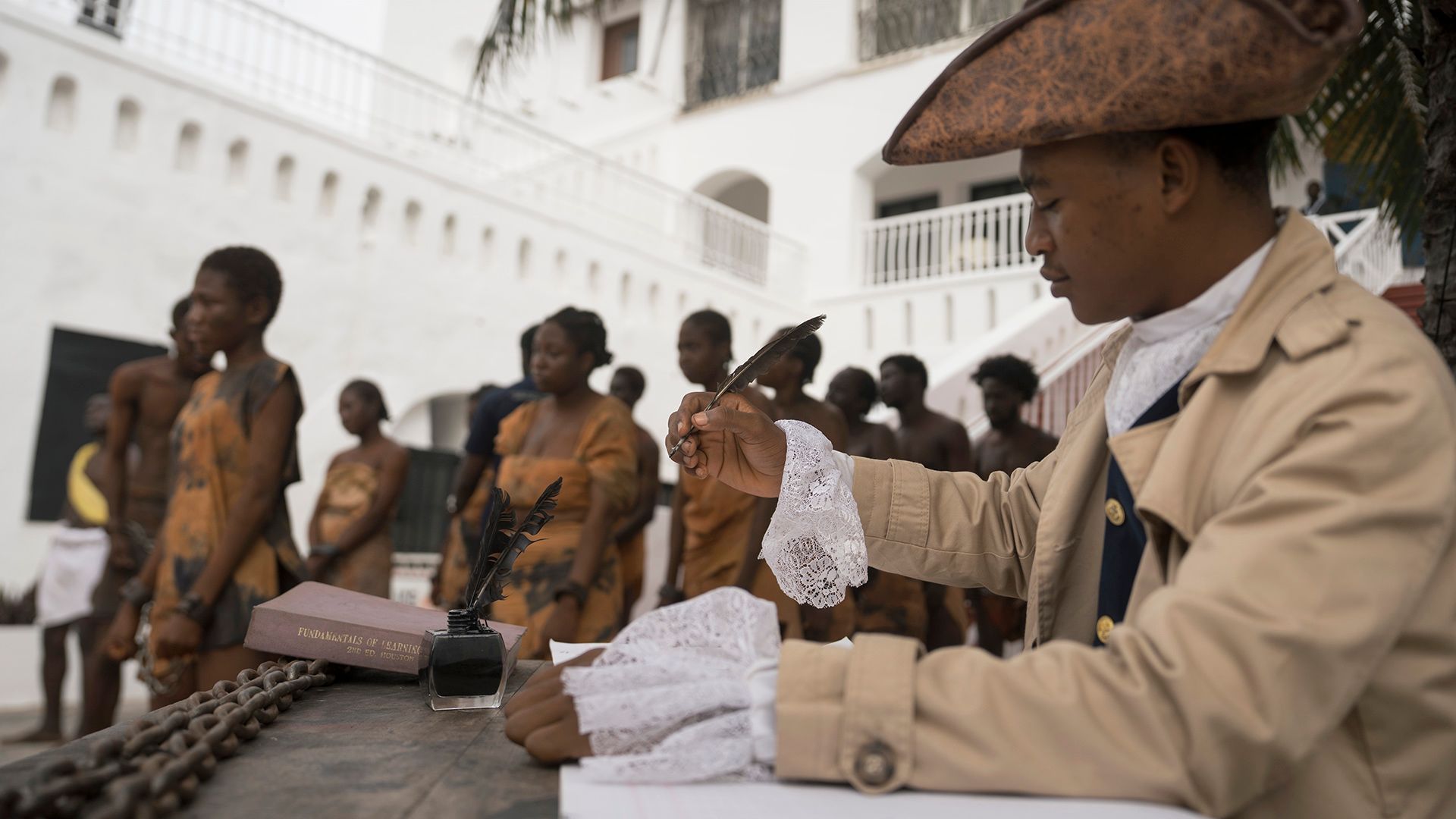
The Ghanaian leader has been at the forefront of an international campaign seeking recognition and redress for the trafficking and enslavement of millions of Africans between the 15th and 19th centuries.
His remarks come as Ghana steps up diplomatic efforts to persuade countries historically involved in the slave trade to engage in discussions about meaningful forms of reparations.
In March 2026, the United Nations General Assembly adopted a resolution, spearheaded by Ghana, declaring the transatlantic slave trade and the racialised enslavement of Africans the “gravest crime against humanity”.
The non-binding resolution called for measures including restitution and compensation, marking a significant development in the international campaign for reparatory justice. It received the support of 123 UN member states.
Mahama has argued that the resolution should lead to practical action rather than remain a symbolic recognition of historical suffering. He has identified education, healthcare, economic opportunities and improved financial conditions as important areas where international cooperation could help address the consequences of slavery.
The debate over reparations has also gained momentum across Africa and the Caribbean, with governments and representatives of affected communities calling for formal apologies, the return of looted cultural artefacts and financial measures to address the legacy of slavery.
During a conference in Accra in June, African and Caribbean leaders agreed to strengthen their cooperation and develop a coordinated approach to pursuing reparatory justice.
Ghana has also established three international panels to explore practical pathways, including the restitution of cultural artefacts, legal options and broader measures to advance reparatory justice.
The campaign has encountered differing positions among Western governments. While some countries have expressed support for acknowledging historical injustices and exploring cooperation, others have resisted demands for direct financial compensation.
Britain, in particular, has faced renewed calls to address its role in the transatlantic slave trade, which saw millions of Africans forcibly transported to the Americas and the Caribbean.
Mahama’s position is that reparations should be understood as a broader effort to restore dignity, address historical inequalities and create opportunities for communities and countries that continue to experience the consequences of slavery.
The Ghanaian government says its ultimate objective is to turn international recognition into concrete measures that contribute to justice, economic development and stronger relations between Africa and its diaspora.