

/
RSS Feed
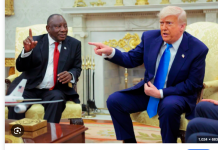
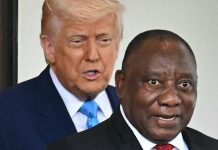
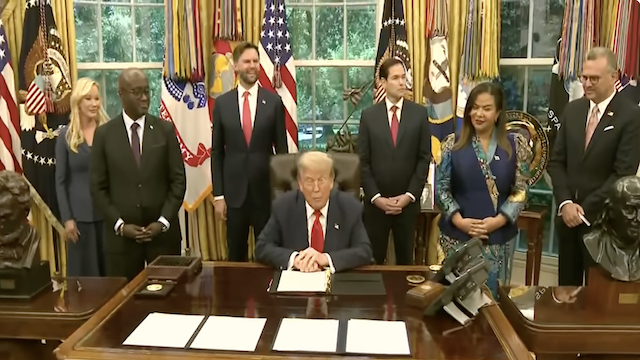
Rwanda’s President Paul Kagame and DR Congo’s Félix Tshisekedi arrive in Washington on Tuesday to endorse a US-brokered peace accord alongside President Donald Trump — casting the White House as the stage for a renewed push to end eastern DR Congo’s decades-long conflict.
The leaders are expected to ratify commitments first outlined in June and expanded in November, including phased troop withdrawals, militia disarmament and cross-border economic cooperation. The talks come as M23 rebel gains continue to destabilise North Kivu, displacing more than 100,000 people in the past month.
Washington Steps In
US officials describe today’s meeting as a “last mile” effort after African-led initiatives — including Angola’s Luanda Process and Kenya’s Nairobi talks — stalled amid mutual accusations: Kigali is accused of backing M23, while Kinshasa is accused of harbouring the FDLR, a remnant militia linked to Rwanda’s 1994 genocide.
Trump has tied the peace push to American strategic interests, promising investment in DR Congo’s cobalt—70% of the world’s supply—and Rwanda’s mineral-processing capacity to secure US electric-vehicle and tech supply chains. Burundi’s Évariste Ndayishimiye and Kenya’s William Ruto are also attending in a show of regional backing, even as separate Qatar-M23 talks underscore the fragmented nature of current diplomacy.
War Realities Undercut Diplomatic Theatre
On the ground, fighting continues unabated. M23 — which UN experts say operates with Rwandan military support — controls Goma’s airport and key supply links. Daily clashes with Congo’s army and allied Wazalendo militias have intensified, contributing to one of the world’s largest displacement crises, with over seven million people uprooted across the country.
In Goma, frustration runs deep. “Leaders sign in hotels while we bury children,” a teacher told Reuters, reflecting the deep scepticism shaped by past peace deals that collapsed within days. Aid convoys face ambushes, schools are repeatedly shelled and cholera continues to spread through overcrowded camps.
Local Voices, Long-Standing Grievances
Communities across eastern Congo say elite-driven agreements rarely reflect their realities. Civil-society groups demand a seat at the table and reforms on land rights and local governance. Meanwhile, regional narratives remain sharply opposed: Kigali insists more than 10,000 FDLR fighters still threaten its security, while Kinshasa points to satellite images purporting to show Rwandan troop movements across the border.
Peace Deal or Another False Dawn?
Whether today’s accord can shift dynamics on the battlefield remains uncertain. Key questions loom:
– Will M23 halt its advance?
– Can aid safely reach besieged communities?
– How will the FDLR be disarmed without harming civilians?
– And can Washington enforce guarantees previous mediators failed to secure?
With potential UN sanctions approaching and an African Union summit next month, the agreement signed in Washington will be judged not by statements, but by whether it brings relief to those enduring the conflict. For millions in Kivu, peace will only be real when the guns fall silent — not when pens meet paper.